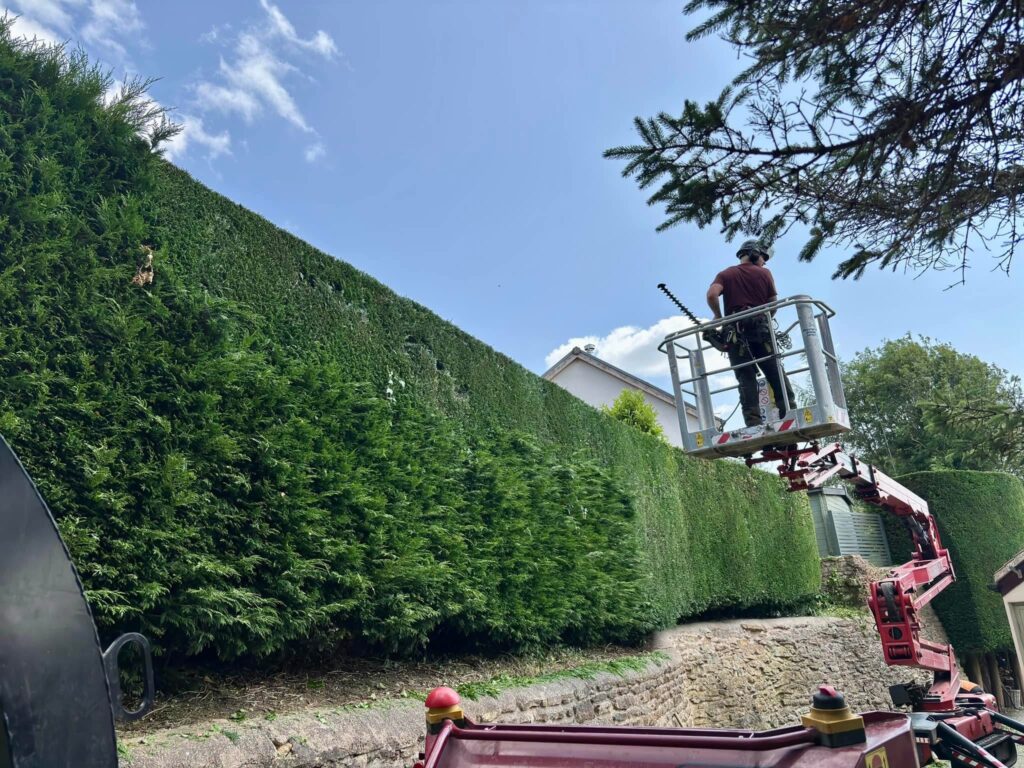
We get asked all the time when hedges should be cut. There isn’t a single date that suits every hedge. It comes down to timing, the type of hedge, and whether anything is nesting inside it.
Late winter is usually the easiest time to deal with bigger hedge jobs. February tends to work well because most birds haven’t started nesting and the hedge is still dormant. If something needs to be properly reduced or reshaped, this is normally when it makes the most sense to do it.
Once spring arrives, you have to slow down and be more careful.
Nesting season
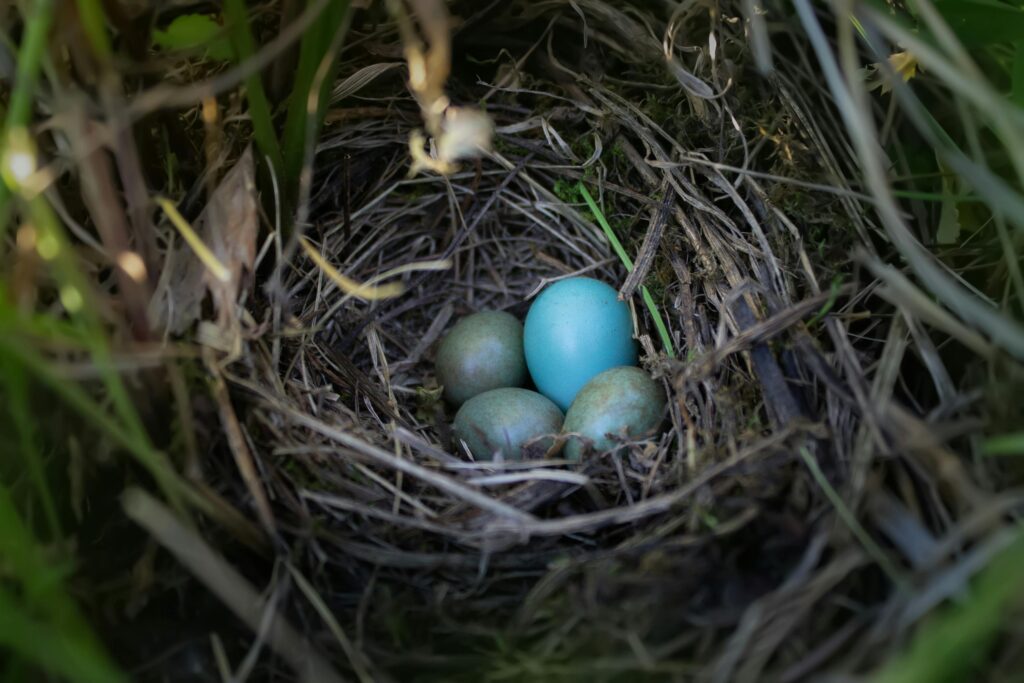
In the UK, bird nesting season generally runs from March 1st to August 31st. During that time it’s illegal under the Wildlife and Countryside Act 1981 to damage or destroy an active nest.
The Arboricultural Association has a clear explanation here:
https://www.trees.org.uk/Help-Advice/Public/When-is-the-bird-nest-season
What catches people out is how well hidden nests can be. They’re often tucked right inside the hedge where you won’t spot them from the outside. We’ve opened up hedges before that looked empty and found plenty going on inside.
Because of that, any hedge work in spring or summer starts with a proper inspection. If there are signs of nesting birds, the job gets left alone. It’s not worth the risk, and it’s not fair on the wildlife.
Government guidance says much the same:
https://www.gov.uk/guidance/hedgerow-management-rules-cutting-and-trimming
Different hedges don’t all run on the same schedule
Some hedges want cutting at different times of year.
Deciduous hedges like hornbeam, beech and hawthorn are often trimmed mid to late summer, sometimes with a small tidy-up in autumn if needed.
Evergreens such as box and privet can be clipped through the growing season to keep them neat.
Conifers like leylandii and yew are usually pruned in spring and again later in summer or early autumn.
Whatever the type, once nesting season is underway the first job is always checking what’s living in there.

Tools and getting a decent finish
Sharp tools make a difference. A clean cut heals better and the hedge comes back more evenly. Sometimes that’s hand shears for detail work, sometimes powered cutters for larger runs.
For tall hedges we use tripod ladders because they’re stable and let you move along the hedge safely. Leaning a ladder straight into a hedge isn’t great for balance or control.
And when powered tools are running, proper eye, ear and hand protection is just part of the job. No shortcuts.
A bit of planning goes a long way
If a hedge needs serious work, it’s usually simpler to book it in for late winter. There are fewer restrictions and the hedge responds well.
General maintenance can still happen during the rest of the year, but only after proper checks to make sure it’s safe to continue.
Hedge cutting isn’t complicated, but rushing it or ignoring timing can cause problems. Done at the right moment, it keeps the hedge healthy and avoids disturbing the wildlife that relies on it.