
(A homeowner’s guide from a trusted tree surgeon near you)
As the fairy lights go up and the wreaths come out, ivy starts showing off in gardens across the East Midlands. It’s green, glossy, and downright festive, but if it’s climbing up your trees, you might be wondering: is this stuff doing harm?
It’s one of the most common questions we get at Crimson Kings and the short answer is, it depends.
In this guide, we’ll walk you through everything you need to know about ivy and trees. You’ll learn when to admire it, when to manage it, and when to call a professional tree surgeon. We’ll cut through the myths, share real examples from local gardens, and give you clear, expert-backed advice.
Let’s sort it.
What Ivy Actually Does (and Doesn’t Do)
First things first, ivy is not a parasite.
That’s right, it doesn’t suck the life out of your tree. It has its own roots in the soil, gets its own nutrients, and uses trees purely as a climbing frame. Think of it as a lodger, not a thief.
But as with any lodger, it depends on the behaviour.
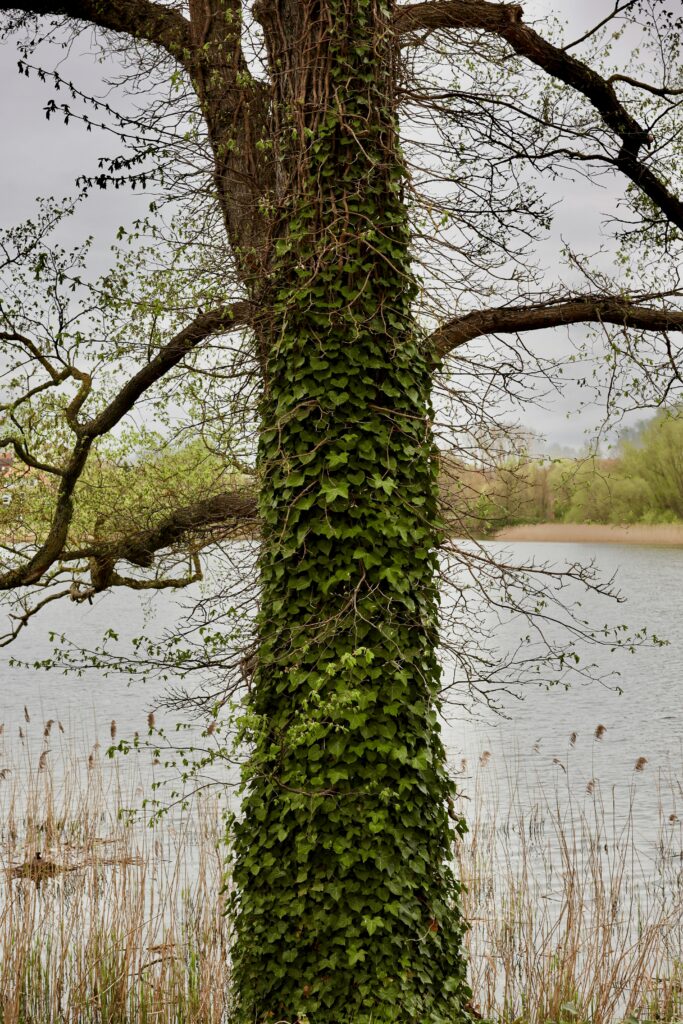
When Ivy Is a Problem
There are a few situations where ivy starts to overstay its welcome:
 On Young Trees
Ivy can swamp saplings or newly planted ornamentals, stealing their light and stunting growth.
 On Older or Damaged Trees
Heavy ivy adds weight and wind resistance—bad news if your tree has any hidden weaknesses or decay.
 If It’s Hiding Defects
One of the biggest risks? Ivy hiding signs of trouble. Cracks, rot, fungi… all can stay out of sight under a thick green coat.
 In High-Risk Spots
If your tree’s near a driveway, playground, or house, you want to see what’s going on under that ivy. Safety first.
When Ivy Is a Benefit
Now here’s the twist, ivy is brilliant for wildlife:
-
Flowers in autumn give bees and hoverflies a vital nectar boost.
-
Berries in winter feed birds like blackbirds and thrushes.
-
Dense evergreen cover makes perfect shelter and nesting space.
So if your tree is healthy, and the ivy isn’t taking over, it might be best left alone. Especially in wilder parts of the garden where biodiversity thrives.
What the Experts Recommend
Here’s the rule of thumb we follow:
 Leave it
…if your tree is large, healthy, and the ivy’s not climbing into the crown or covering key limbs.
 Manage it
…if it’s heading into the canopy, blocking inspections, or in a high-use area.
 Remove it
…if it’s swamping a young tree or hiding known defects.
This approach balances aesthetics, tree health, and wildlife.
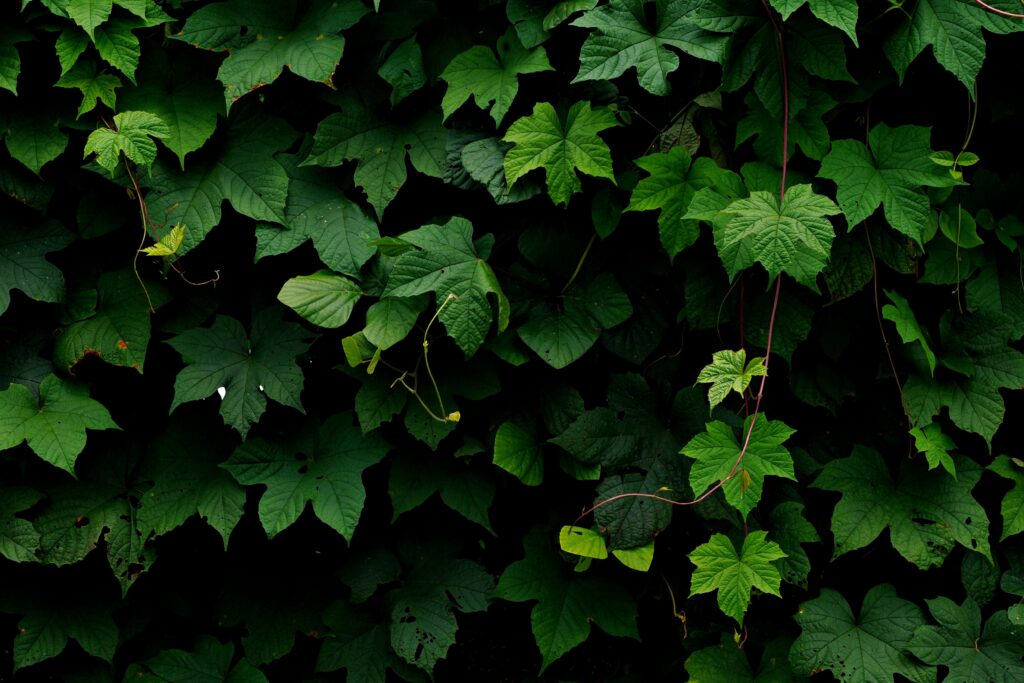
Safe Ivy Removal: What To Know
If you do need to take action, here’s how to do it without causing harm:
 1. Cut It at the Base
Make two cuts near ground level and remove a small section so it can’t bridge. No need to yank it off live.
 2. Let It Die Back
Dead ivy will gradually loosen and fall away. No bark damage. No drama.
 3. Control Regrowth
Check the base regularly. Snip off any new shoots. Easy maintenance, once it’s under control.
 4. Create an “Inspection Window”
In many gardens, removing ivy up to 2–3 metres up the trunk is enough to see what’s going on without losing all the benefits.
Legal and Wildlife Considerations
You might not know this, but:
-
All wild bird nests are protected by law.
-
Bats and their roosts are strictly off-limits, ivy can hide potential bat habitats.
-
Some trees are protected by TPOs (Tree Preservation Orders) or in Conservation Areas. Ivy removal alone is usually fine, but any pruning or damage? You may need consent.
If in doubt, ask an Arborist.
Real Garden Scenarios
Here’s how this plays out in real life:
 The Back Garden Showpiece
A mature silver birch in a low-target area, ivy up the stem but not the crown. Wildlife everywhere.
Verdict: Leave it. Monitor yearly.
 The Driveway Sleeper
Large ash tree near cars, ivy thick and hiding limbs.
Verdict: Remove ivy, inspect for decay, reassess risks.
 The Drowning Cherry
Young ornamental tree in a formal border, ivy climbing fast.
Verdict: Ivy removal and persistent control until established.
What You Can Do Right Now
If you’ve got ivy on trees, here’s your winter checklist:
-
 Walk your garden: is ivy covering any tree crowns?
-
 Check for signs of decay or deadwood it might be hiding.
-
 If in doubt, call a local Arborist for advice or inspection.
-
 Want to try yourself? Cut ivy at the base and watch for regrowth.
-
 Plan ivy management before nesting season starts in early spring.
Final Thoughts: Should You Worry?
Not always.
In the right place, ivy is a natural, beautiful part of the garden. It’s festive, it’s useful, and it’s misunderstood. But when it becomes a hazard, or hides one, that’s where a professional eye makes all the difference.
That’s where Crimson Kings Tree Service comes in. We’re not just your average tree surgeon near you, we’re properly trained arborists, here to help you protect your trees and keep your garden looking the part.
 Need a Hand Before Spring?
Call Crimson Kings today for honest advice about ivy removal or a general check-up on your trees. No upselling. No pressure. Just expert support, right when you need it.